High Quality: The Competitive Edge in B2B Outbound Sales
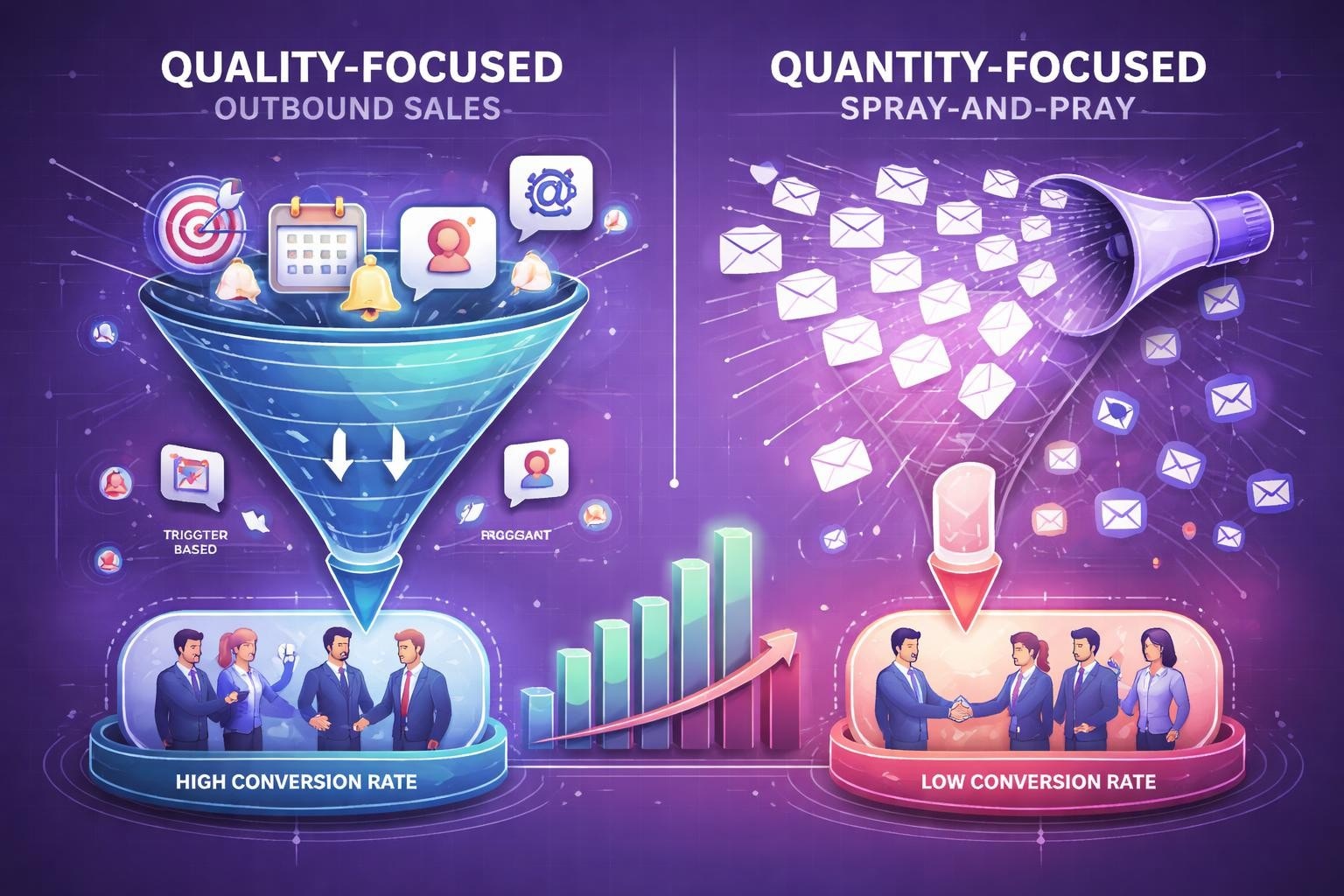
The sales landscape has reached a critical inflection point where businesses must choose between flooding prospects with automated messages or crafting meaningful, timely outreach. In an era dominated by AI SDRs and mass automation tools, the fundamental question facing B2B organizations is not whether to automate, but how to automate while maintaining the human touch that builds genuine business relationships. Understanding what constitutes high-quality in the context of outbound sales separates organizations that generate sustainable pipelines from those chasing vanity metrics.
The Definition of High Quality in Modern B2B Sales
When we examine quality in business, we discover it encompasses far more than simply meeting minimum standards. High quality represents excellence, superiority, and a demonstrated commitment to delivering exceptional value at every touchpoint. For outbound sales specifically, this definition translates into precision-targeted prospecting that respects both the sender's resources and the recipient's time.
The term "high quality" has become overused in marketing copy, yet its practical application remains poorly understood by many sales organizations. High quality outreach means every message serves a specific purpose, addresses a genuine need, and arrives at precisely the right moment in the buyer's journey.
Measuring Quality Versus Quantity in Outbound Campaigns
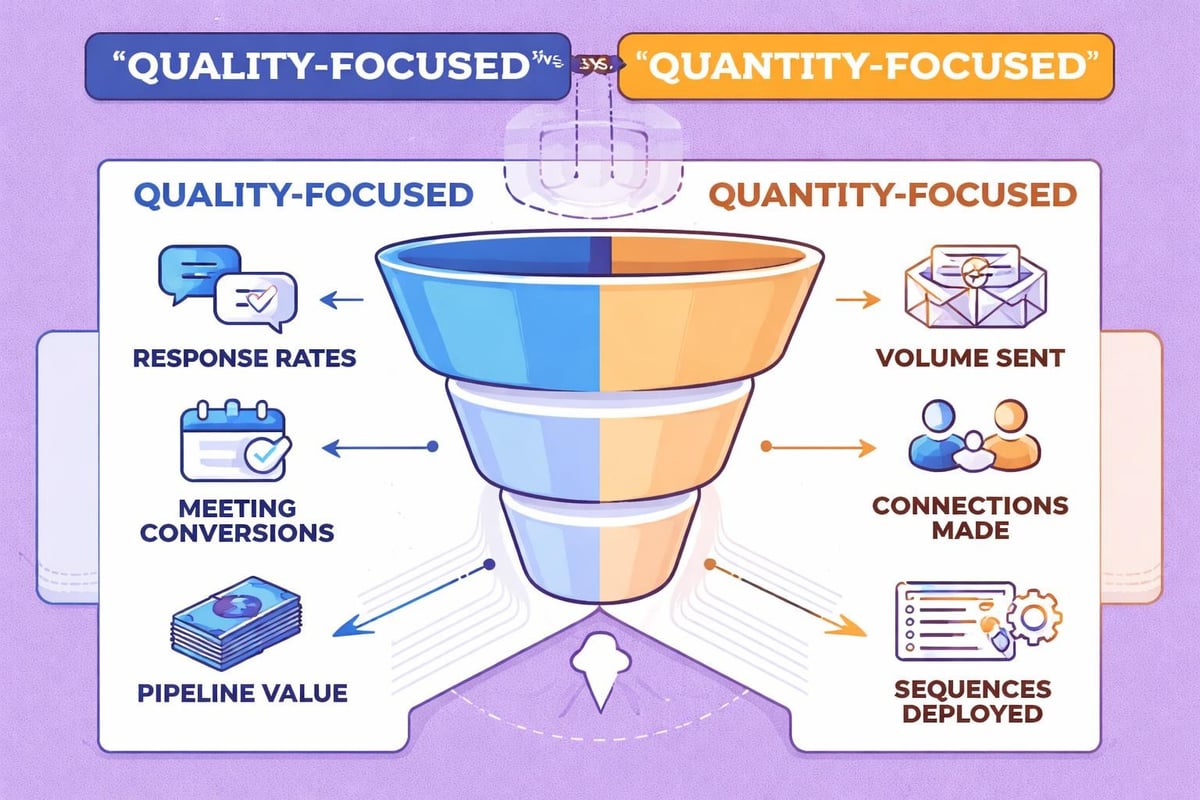
Traditional sales metrics have conditioned teams to celebrate volume: messages sent, connections made, sequences deployed. These numbers create the illusion of productivity while masking fundamental inefficiencies. High quality prospecting demands different measurements entirely.
Consider these comparative indicators:
Quality-Focused MetricsQuantity-Focused MetricsResponse rate percentageTotal messages sentMeeting conversion rateConnection requests sentPipeline value generatedSequences deployedAverage deal sizeProspect list sizeSales cycle lengthDaily activity volume
Organizations pursuing high quality outcomes track engagement depth, conversation quality, and the relevance of each interaction. They understand that sending 1,000 generic messages produces far worse results than sending 50 perfectly timed, contextually relevant messages to prospects experiencing specific trigger events.
Trigger-Based Prospecting as a Quality Framework
The emergence of trigger-based prospecting represents a paradigm shift toward high quality outbound. Instead of interrupting prospects at random moments, this approach identifies meaningful events that signal genuine buying windows or strategic priorities.
Relevant triggers include:
Each trigger provides specific context that enables personalized, relevant messaging. When your outreach references a prospect's recent Series B announcement or their CMO's podcast interview about customer acquisition challenges, you demonstrate genuine interest rather than automated prospecting.
Building Quality Into Your Prospecting Infrastructure
Implementing high quality standards requires systematic changes to your sales operations. Effective outbound sales strategies for 2026 emphasize infrastructure over individual tactics, creating repeatable processes that consistently deliver superior results.
Essential components include:
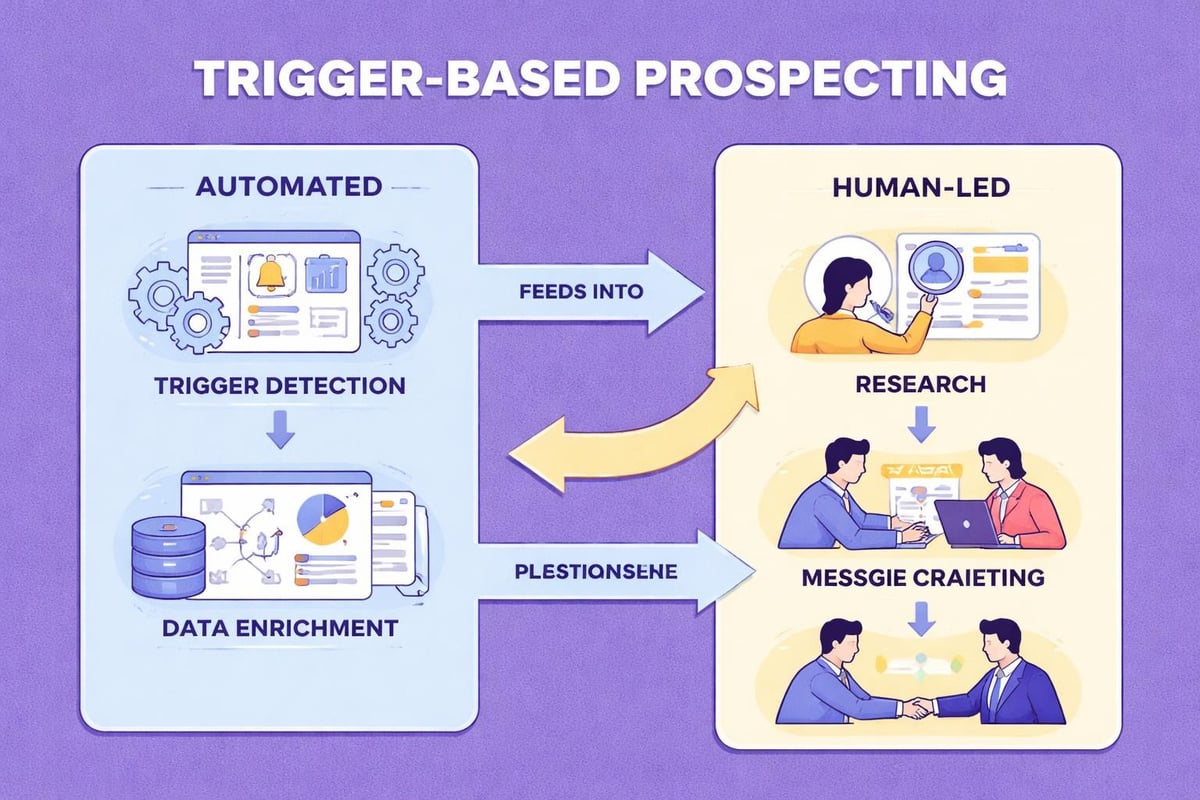
The human element remains critical throughout this infrastructure. While automation handles monitoring, data enrichment, and workflow management, experienced sales professionals apply judgment, craft messaging, and build relationships. This hybrid approach delivers high quality outcomes impossible through either pure automation or completely manual processes.
The Economics of Quality Over Quantity
Financial analysis consistently demonstrates that high quality approaches generate superior returns on investment despite lower activity volumes. When examining high-ticket sales strategies, the mathematics become undeniable.
Consider a typical comparison:
Spray-and-Pray Approach:
High Quality Approach:
The high quality approach generates 672% more pipeline while requiring significantly less SDR time and creating zero brand damage from spam-like outreach.
Resource Allocation and Team Efficiency
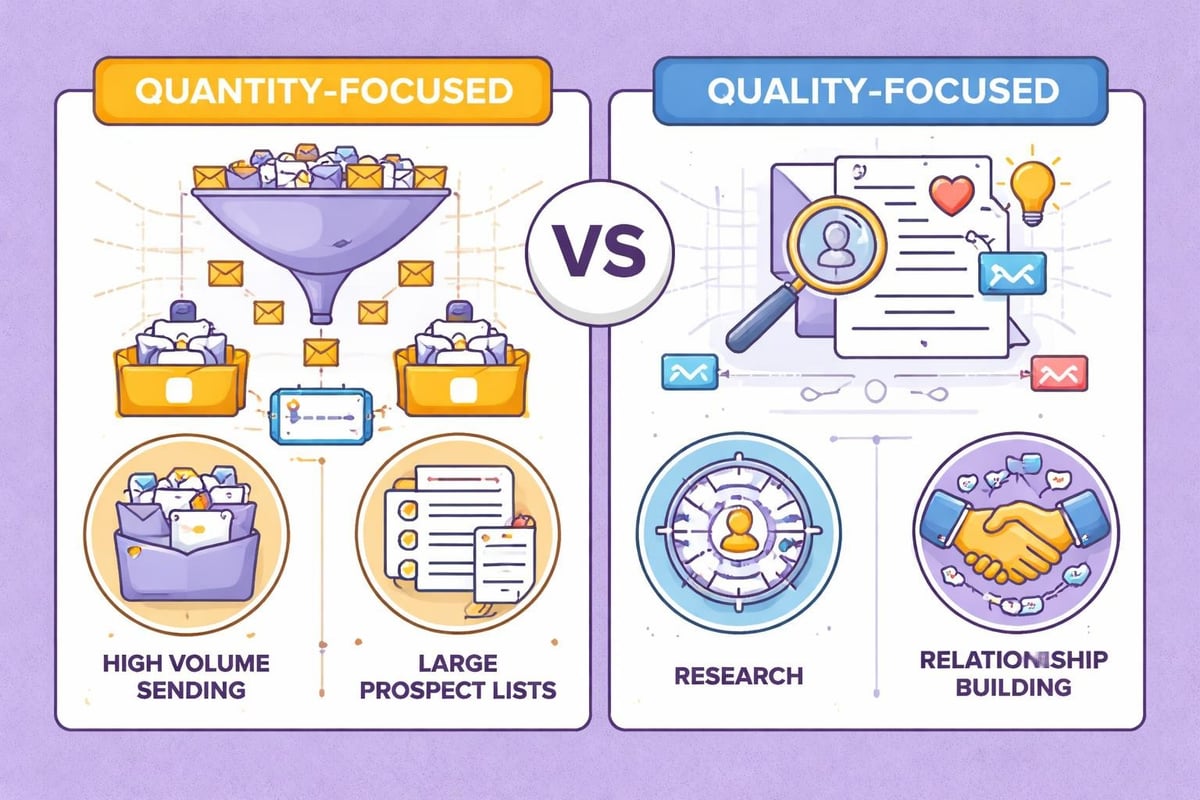
Organizations committed to high quality outbound reallocate resources from volume activities toward research, personalization, and relationship development. Instead of hiring more SDRs to send more messages, they invest in better data, smarter automation, and deeper training.
This shift creates several competitive advantages:
Teams operating at high quality standards report significantly higher job satisfaction because they engage in strategic selling rather than mechanical message deployment. Increasing your LinkedIn response rate becomes achievable when every message reflects genuine relevance.
Implementing Quality Standards in Your Sales Organization
Transitioning from volume-based to quality-based outbound requires systematic change management. Leadership must embrace new metrics, SDRs need different skills, and technology infrastructure must support precision over scale.
Establishing Quality Criteria and Governance
Begin by defining exactly what constitutes high quality outreach for your specific market and buyer personas. Create written standards that SDRs can reference before sending any message.
Minimum quality requirements might include:
Implement peer review processes where senior SDRs audit outreach before deployment. This quality gate prevents low-relevance messages while providing coaching opportunities for developing team members.
Training SDRs for Quality-First Prospecting
The skillset required for high quality outreach differs fundamentally from traditional volume-based SDR work. Invest in comprehensive training covering:
Experienced SDRs transition from message-sending machines into business researchers who happen to use outbound channels. This elevation of the role attracts better talent and produces dramatically better results.
Technology's Role in Scaling Quality
The right technology infrastructure enables high quality outreach at scale without sacrificing the human judgment that creates authentic connections. Modern sales teams leverage automation for repetitive tasks while preserving human involvement in strategic decisions.
Critical technology components include:
Technology CategoryQuality FunctionHuman Role PreservedTrigger monitoringAutomated event detectionRelevance assessmentData enrichmentContact information gatheringAccount prioritizationSequence managementTiming optimizationMessage craftingResponse handlingInbox organizationConversation engagementAnalytics dashboardsPerformance trackingStrategic adjustments
Trigger-based prospecting platforms represent the technological foundation for quality-first outbound. These systems monitor thousands of potential triggers across your total addressable market, surface the most relevant opportunities, and enable SDRs to act with perfect timing.
Avoiding the AI SDR Trap
The market has flooded with AI SDR solutions promising to completely automate outbound sales. These tools generate impressive activity metrics while producing terrible actual results. Messages written entirely by AI lack the nuance, business context, and authentic personalization that high quality outbound requires.
The optimal approach keeps humans in the loop for critical judgment calls while leveraging AI for research, data processing, and workflow optimization. Your SDRs should spend 80% of their time on research, personalization, and conversation management, not copying and pasting templates or managing spreadsheets.
Quality Signals That Influence Prospect Response
Understanding what prospects perceive as high quality helps refine your outreach approach. Buyers receiving dozens of sales messages daily develop sophisticated filters for identifying genuine, relevant outreach versus automated spam.
Elements Prospects Associate With Quality
Positive quality signals include:
Negative quality signals that trigger deletion:
Prospects instinctively recognize when someone has invested time understanding their specific situation versus blasting a template to thousands of contacts. This recognition fundamentally influences their response likelihood and perception of your organization.
Measuring and Improving Quality Over Time
Establishing a culture of continuous quality improvement requires systematic measurement, analysis, and refinement. High quality organizations treat outbound as a discipline requiring constant optimization rather than a set-it-and-forget-it process.
Key Performance Indicators for Quality-Focused Teams
Track metrics that reflect genuine engagement quality rather than vanity numbers. Monitor these indicators monthly and quarterly:
Create dashboards that make quality metrics visible to the entire sales organization. When SDRs see that personalized, trigger-based messages generate 15x higher response rates than generic templates, they naturally gravitate toward high quality approaches.
A/B Testing for Continuous Refinement
Implement structured testing to identify which quality elements drive the strongest results. Test variables including:
Document findings and incorporate successful patterns into your quality standards. This empirical approach to improvement removes guesswork and creates organizational learning that compounds over time.
The Competitive Advantage of Quality Commitment
Organizations that genuinely commit to high quality outbound create sustainable competitive moats that volume-focused competitors cannot easily replicate. This commitment manifests across multiple dimensions simultaneously.
Building a reputation for respectful, relevant outreach makes prospects more receptive when your SDRs do reach out. Your domain reputation improves, deliverability increases, and word-of-mouth referrals grow. These advantages compound quarterly, creating differentiation that persists regardless of what competitors attempt.
The quality advantage extends beyond immediate metrics:
High quality approaches also create natural barriers to entry. Competitors can easily copy your messaging templates or outbound sequences, but they cannot quickly replicate the infrastructure, training, and cultural commitment required for sustained quality excellence.
Implementing Quality Standards Without Sacrificing Scale
The common objection to quality-focused outbound centers on perceived scalability limitations. Leaders worry that emphasizing quality necessarily reduces volume below acceptable levels. This concern misunderstands how modern technology enables quality at scale.
Properly implemented systems actually increase effective scale by dramatically improving conversion rates at every funnel stage. When your outreach converts 8% instead of 0.5%, you achieve superior pipeline generation with 85% less activity volume. This efficiency gain frees resources for further quality improvements, creating a virtuous cycle.
Building Your Quality-First Outbound System
Start with these implementation steps:
Organizations that embrace this transition typically see measurable improvements within 60-90 days, with compounding benefits emerging over subsequent quarters. The initial investment in infrastructure and training pays dividends through higher conversion rates, larger deal sizes, and shorter sales cycles.
Prioritizing high quality over high volume represents the fundamental strategic choice defining successful B2B sales organizations in 2026 and beyond. The evidence overwhelmingly demonstrates that precision, relevance, and perfect timing outperform spray-and-pray approaches across every meaningful metric. By implementing trigger-based prospecting, maintaining human judgment in critical decisions, and building systematic quality standards into your sales operations, your organization creates sustainable competitive advantages while respecting prospects' time and attention. Spear empowers your sales team with automated trigger monitoring and intelligent prospecting workflows that maintain high quality standards at scale, ensuring your outreach arrives at precisely the right moment with perfect relevance.
.png)
.png)